

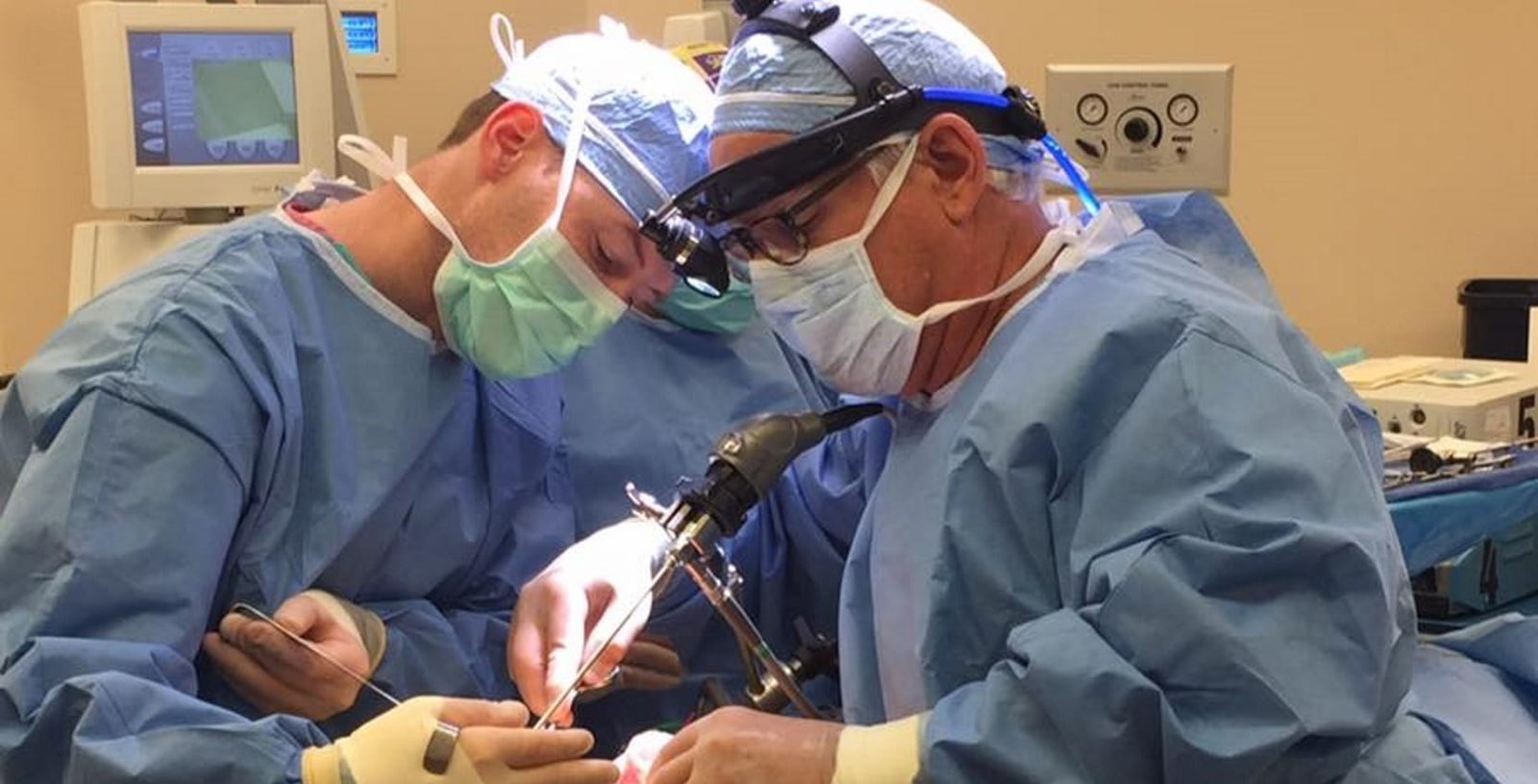
ENT Surgical Instruments & Sets in Egypt
Alreda Medical supplies ENT surgical instruments in Egypt for otolaryngologists, ENT surgeons, hospitals, and specialized surgical centers. delivers hospital-grade instrumentation engineered for otorhinolaryngology (ENT) suites, ambulatory surgery centers, and academic medical facilities. Our catalog features comprehensive solutions for adenotonsillectomy, functional endoscopic sinus surgery (FESS), micro-otology, and septorhinoplasty procedures. Forged from high-grade martensitic stainless steel (AISI 420/440C) and surgical titanium, these instruments provide sharp shearing performance, atraumatic soft tissue grasping, and total resilience to repetitive 134°C autoclave cycles. All items are officially coded by the Egyptian Unified Procurement Authority (UPA) and backed by our direct replacement warranty.
ENT Surgical Instrument Quality & Manufacturing Standards
ENT surgical tools demand deep anatomical reach, slender profiles, and uncompromised structural rigidity to safeguard cranial nerves and vascular bundles. We supply instruments categorized across three certified quality tiers:
- German Industry Grade (German Grade): Laser-honed cutting cups on Blakesley and Weil-Blakesley forceps for clean tissue bites without tearing, anti-glare satin finish to eliminate reflection under headlights or operating microscopes, and total endurance through hundreds of pre-vacuum autoclave cycles.
- UK Industry Grade (UK Grade): High-tensile British surgical alloys engineered for lightweight ergonomic balance, providing responsive tactile feedback during delicate middle ear dissection and endonasal mucosal preservation.
- Pakistani First-Grade (Pakistani Grade A+): Heat-treated surgical stainless steel providing dependable clinical durability and cost-effective performance for day-care procedural rooms and outpatient surgical suites.
ENT Surgical Instruments & Sets
| Surgical Category | Featured Models & Types | Primary Clinical Role |
|---|---|---|
| Tonsillectomy & Adenoidectomy Sets | Davis-Boyle mouth gags with blades, Beckmann adenoid curettes, and Schnidt hemostatic clamps | Oropharyngeal visualization, lymphoid tissue excision, and immediate hemostasis control. |
| FESS Sinus Surgery Sets | Blakesley forceps (Straight, 45°, 90°), Kerrison micro rongeurs, and sinus suction tubes | Precise ethmoidectomy, polyp removal, and maxillary ostium widening under endoscopic vision. |
| Septoplasty & Rhinoplasty Sets | Killian nasal specula, Freer mucosal elevators, Jansen-Middleton forceps, and bone rasps | Subperichondrial dissection, nasal septal straightening, and aesthetic dorsal vault contouring. |
| Micro Otology & Ear Sets | Bellucci micro ear scissors, Hartmann ear specula, micro picks, and stapes curettes | Tympanoplasty, mastoidectomy, ossicular chain reconstruction, and stapedectomy. |
🛡️ Direct Replacement Warranty & Institutional Accreditations
Alreda Medical backs all ENT surgical instruments with an unconditional Direct Replacement Warranty against blade dulling, cup misalignment, or metallurgical defects:
- Approved and coded by the Egyptian Unified Procurement Authority (UPA).
- Certified under international ISO 13485 and European CE Mark standards.
- Fully compliant with university hospital, public health, and universal insurance tender mandates.
- Immediate Supply: Comprehensive ready stock available for fast dispatch nationwide.
Frequently Asked Questions About ENT Surgical Instruments
What angle configurations are standard for Blakesley nasal forceps?
Standard angles include straight (0°) for general ethmoid labyrinth entry, 45° upturned for frontal recess dissection, and 90° for maxillary sinus access, available in sizes 0 through 4.
Are these ENT instrument sets UPA approved in Egypt?
Yes, all ENT instruments and specialized surgical sets are officially registered and coded with the Egyptian Unified Procurement Authority (UPA) for institutional tenders.
What is the recommended reprocessing protocol for delicate micro-ear tools?
Micro-ear instruments should be secured in dedicated silicone racks within sterilization cassettes. Reprocess using ultrasonic cleaning with neutral enzymatic detergents, followed by pre-vacuum steam sterilization at 134°C.
 Read MoreQuick View
Davis Boyle Mouth Gag Complete Set
⚡ Ready Stock for Immediate Dispatch 🛡️ Direct Replacement Warranty 🏛️ UPA Approved & Coded 📜 25+ Years of Clinical ExpertiseDavis-Boyle Mouth Gag Complete Set by Alreda Medical Equipment. Engineered for optimal oropharyngeal visualization and jaw stabilization during tonsillectomy, adenoidectomy, cleft palate repair, and oral-maxillofacial procedures. The complete system includes a self-retaining curved frame and a full set of 5 interchangeable tongue depressor blades featuring integrated channels for securing the endotracheal tube without obstruction. Forged from high-tensile martensitic stainless steel (AISI 420/440C) autoclave-proof up to 134°C. Officially approved and coded by the Egyptian Unified Procurement Authority (UPA) with an instant direct replacement warranty.
Read MoreQuick View
