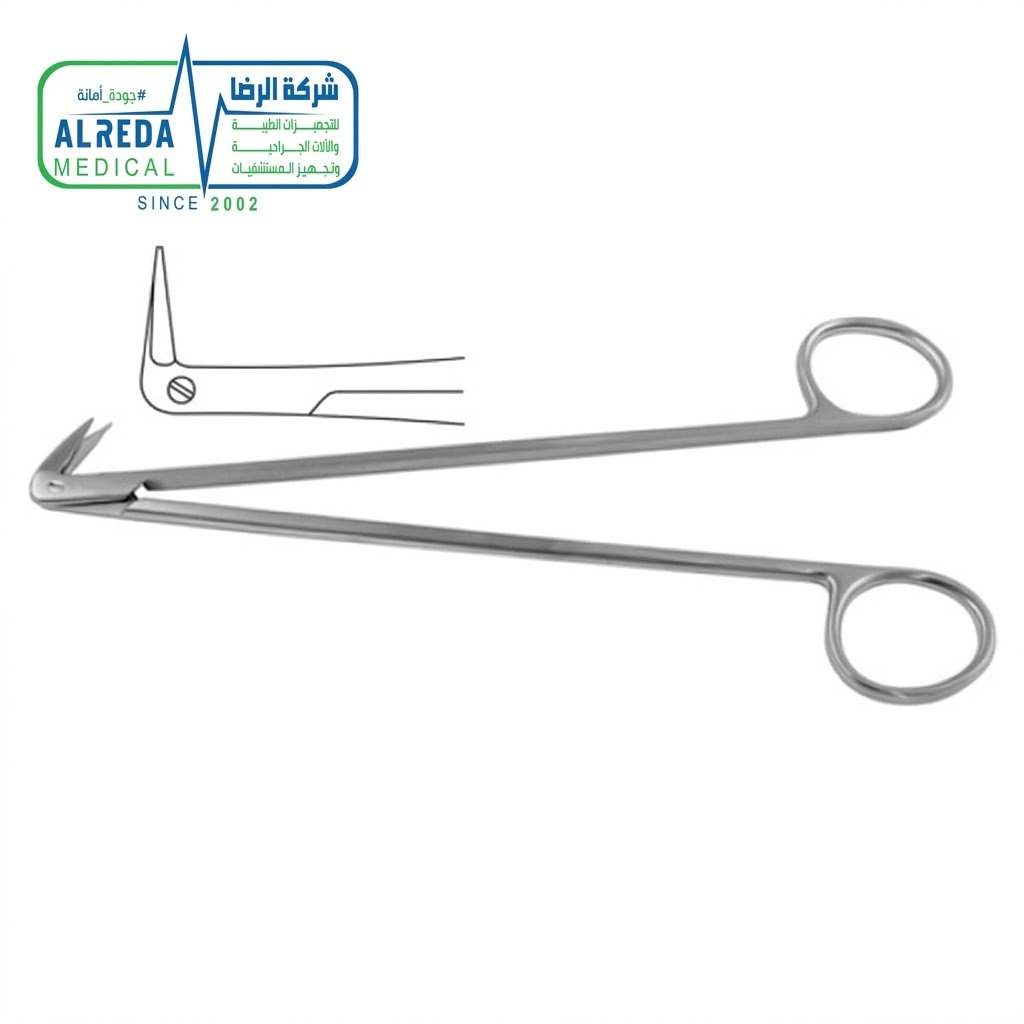
DIETHRICH Micro Vascular Scissors 120° Obtuse Angled
- Description
Description
Clinical DIETHRICH Micro Vascular Scissors 120° Obtuse Angled by Alreda Medical
✅ In Stock for Immediate Dispatch | 🔄 Direct Replacement Warranty | 🏛️ UPA Approved | 🏆 25+ Years of Excellence in Hospital Supplies
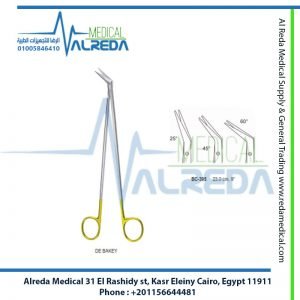
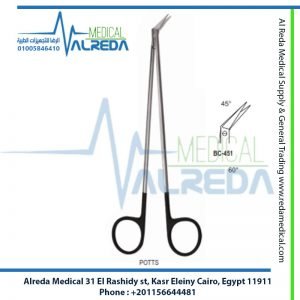
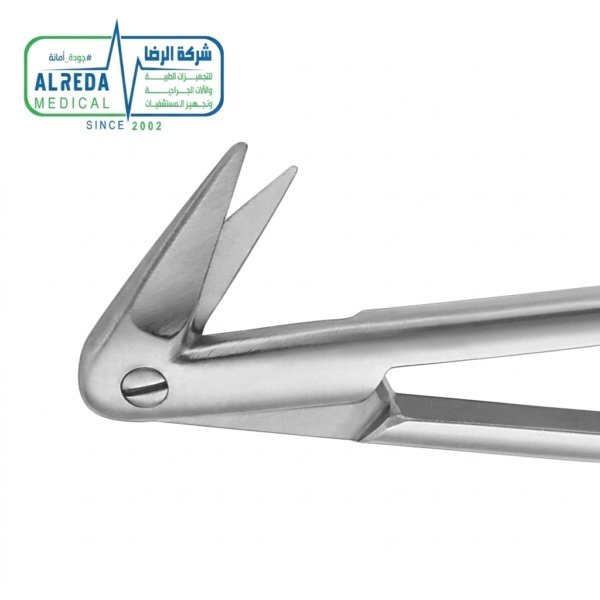
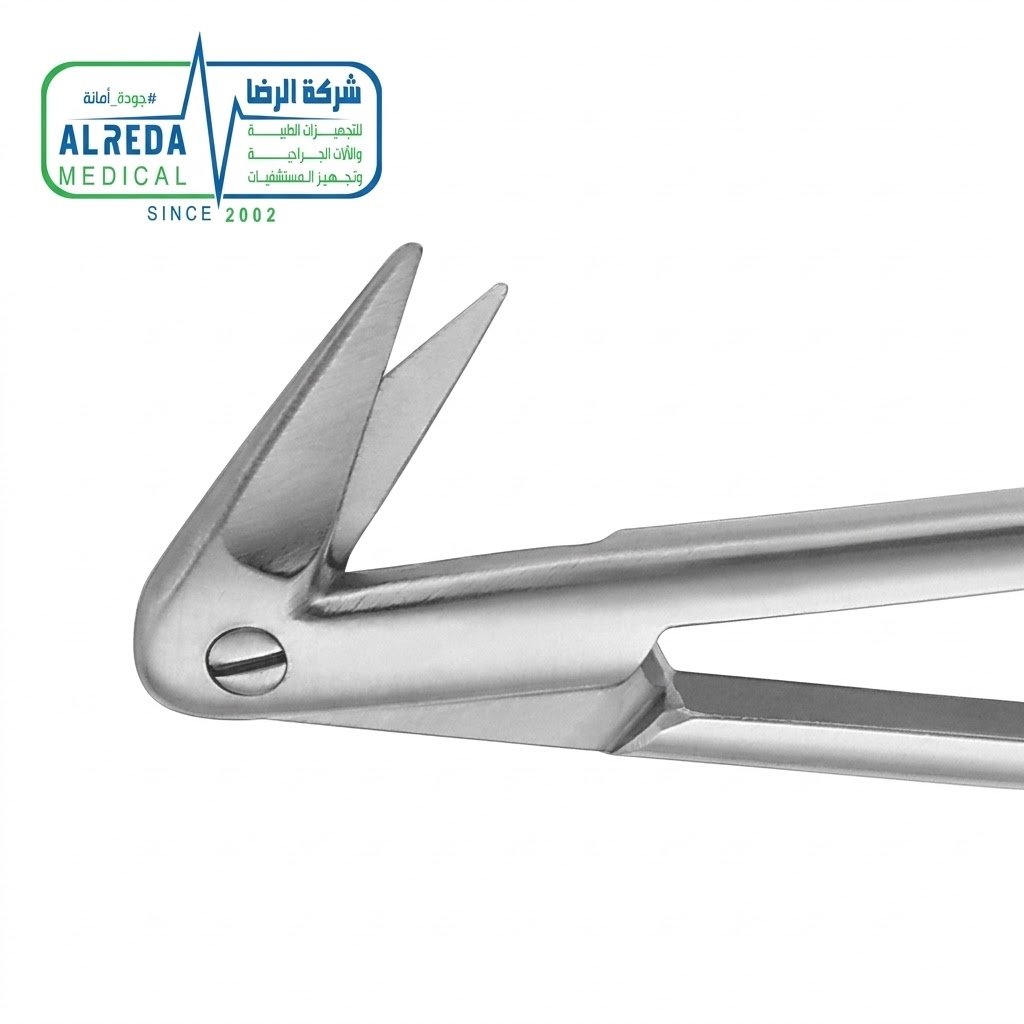
Alreda Medical Equipment & Surgical Instruments provides the clinical-grade DIETHRICH Micro Vascular & Coronary Arteriotomy Scissors 120° Obtuse / Retrograde Angled, engineered for cardiovascular surgeons, posterior coronary artery bypass grafting (CABG) teams, complex deep skull base vascular specialists, and microvascular reconstruction suites. Featuring miniature precision cutting blades angled at an extreme 120-degree obtuse angle with non-traumatic probe-pointed micro-tips, this instrument enables retrograde arteriotomies on small-caliber vessels located in anatomically confined fields without requiring tissue mobilization or wrist distortion.
Precision-machined from medical-grade AISI 420 and 440C Martensitic High-Carbon Stainless Steel (also available in non-magnetic Medical Grade 5 Titanium), DIETHRICH 120° scissors are provided across three certified manufacturing tiers:
-
German Industry Grade (German Grade): The international benchmark for micro-screw tension stability, razor-calibrated shearing edges that eliminate vascular wall crushing during retrograde cuts, anti-reflective satin finish for high-magnification visibility, and complete resilience against hundreds of high-pressure autoclave cycles.
-
UK Industry Grade (UK Grade): Premium British surgical steel delivering balanced ergonomic handling, ultra-light tactile feedback, and reduced hand tremor during complex-angle incisions.
-
Pakistani First-Grade (Pakistani 1st Grade / Grade A+): Fabricated from certified heat-treated surgical stainless steel, offering dependable clinical performance and cost-effective durability for specialized vascular hospital suites.
Technical Specifications Matrix
-
Product Nomenclature: DIETHRICH Micro Vascular & Arteriotomy Scissors
-
Blade Angle: 120° Obtuse / Retrograde Angled on Flat for reversed-direction vessel incisions
-
Available Overall Lengths: 175 mm (17.5 cm) / 185 mm (18.5 cm)
-
Blade / Tip Configuration: Ultra-Delicate Micro Blades with Atraumatic Rounded Tips
-
Alloy Composition: Medical-Grade Martensitic Stainless Steel AISI 420 / 440C or Grade 5 Titanium
-
Quality Grades: German Grade / UK Grade / Pakistani Grade A+
-
Joint Mechanism: Precision-Machined Micro-Screw Joint
-
Surface Polish: Anti-Reflective Glare-Free Satin Finish
-
Sterilization Compatibility: Pre-vacuum Steam Autoclave up to 134°C (273°F), Hydrogen Peroxide Plasma, and EtO Gas
-
Standard SKU & Regulatory Code: ALR-DTR-120 (UPA Coded & Registered)
🛡️ Instant Replacement Warranty & Institutional Approvals: Alreda Medical backs this instrument with a Direct Replacement Policy against manufacturing defects, micro-blade misalignment, or metallurgical breakdown with zero procedural downtime.
🏛️ Regulatory & Tender Compliance:
Approved & Coded by the Egyptian Unified Procurement Authority (UPA).
Certified under international ISO 13485 and CE Mark directives.
Fully compliant with university hospital tender specifications and cardiothoracic surgical standards.
⚡ Immediate Supply: Comprehensive ready-stock inventory available for hospital furnishing and same-day dispatch nationwide. Request direct corporate quotations via WhatsApp.
Frequently Asked Questions (FAQ):
-
Q: What is the clinical necessity of a 120° obtuse angle in coronary surgery?
-
A: The 120° angle allows retrograde arteriotomy extension—cutting backward toward the operator—in circumflex or posterior descending coronary arteries where forward cutting is anatomically restricted by adjacent structures.
-
-
Q: Is the DIETHRICH 120° scissors UPA approved in Egypt?
-
A: Yes, it is officially registered and coded with the Egyptian Unified Procurement Authority (UPA) for institutional healthcare tenders.
-
-
Q: What handling precautions are required for 120° angled micro scissors?
-
A: Due to the wide retrograde angle of the blades, they must always be secured in silicone-slotted racks during processing, cleaned via ultrasonic baths with neutral detergents, and steam autoclaved at 134°C to prevent mechanical tip damage.
-