Surgical Instruments Maintenance and Rust Prevention: The Engineering Guide to Lifelong Operating Room Tools
Surgical Instruments Maintenance and Rust Prevention: The Engineering Guide to Lifelong Operating Room Tools
Hospital operating room equipment and surgical instruments endure some of the most punishing mechanical, chemical, and thermal environments in healthcare. For biomedical engineers and procurement departments across Egypt, dealing with pitting corrosion, stiff joints, and rust stains post-autoclave resistance cycles is a continuous challenge.
In this technical guide by Alreda Medical for Surgical Instruments (Kasr El Aini, Cairo), we evaluate the metallurgical science behind instrument degradation and reveal the golden rules for optimizing instrument longevity in surgical suites.
Staining vs. True Corrosion: The Metallurgical Difference Surgical Instruments Maintenance
Not all discoloration on a surgical tool indicates structural failure or poor manufacturing. Understanding the technical audit is key:
- Surgical Staining: Superficial discoloration typically caused by mineral deposits from hard tap water used during washing, or chemical residues from unrinsed detergents. These do not compromise the instrument’s structural integrity and can be polished away.
- Pitting and Rusting: True chemical corrosion that fractures the passive protective layer of medical-grade stainless steel. This occurs when instruments are exposed to high-chloride solutions, harsh acids, or left wet for extended intervals prior to autoclaving.
Engineering Solutions Across Specialized Surgical Fields Surgical Instruments Maintenance
Procuring certified surgical kits requires tracking advanced manufacturing designs custom-built to resist high-temperature steam sterilization fatigue:
- Micro-Precision in Neurosurgery: Instruments like the Leyla Self-Retaining Fixation System and Sachs Dura Knives must utilize vacuum-hardened, non-magnetic steel alloys to guarantee long-term alignment stability without microscopic rust friction.
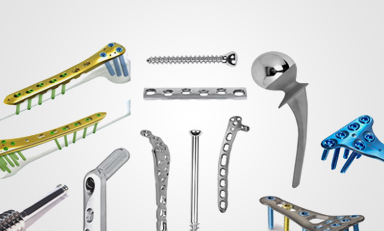
- High-Torque Resistance in Orthopedics: Heavy-duty items such as the Lane Plate Bender Set and screwdrivers configured with specialized Fiber Handles demand high-density forging to eliminate handle cracking or structural failure during intense autoclave heat cycles.
- Ultra-Smooth Finishing in OB/GYN & ENT: Mucosal tools like Hegar Dilators, Cusco and Graves Specula, or curved Beckmann Adenoid Curettes require a flawless mirror-finish polish to eliminate micro-cavities where bio-burden or mineral crystals can collect.
The 4-Step Operational Protocol for Surgical Instrument Care Surgical Instruments Maintenance
To maximize the lifecycle of standard and complex instruments—including Babcock, Duval, and Allis grasping forceps, or specialized infant circumcision devices like the Winkelmann and Gomco clamps—processing departments must institutionalize these strict standards:
- Immediate Decontamination & Rinsing: Instruments must be rinsed free of blood and tissue immediately post-op using demineralized or distilled water. Never use chlorinated tap water.
- Neutral pH Detergents Only: Strictly avoid highly acidic or alkaline cleaning agents, as they instantly strip the chromium oxide layer that renders the steel stainless.
- Total Post-Wash Drying: Loading damp instruments into the autoclave is the primary operational trigger for steam-burn rust staining.
- Routine Joint Lubrication: Articulated instruments (such as spring-loaded Mathieu IUD Forceps or hemostatic clamps) require application of water-soluble, steam-penetrable surgical lubricants to prevent friction-wear and joint seizure.
Alreda Medical: Certified Hospital Outfitting with Lifelong Integrity
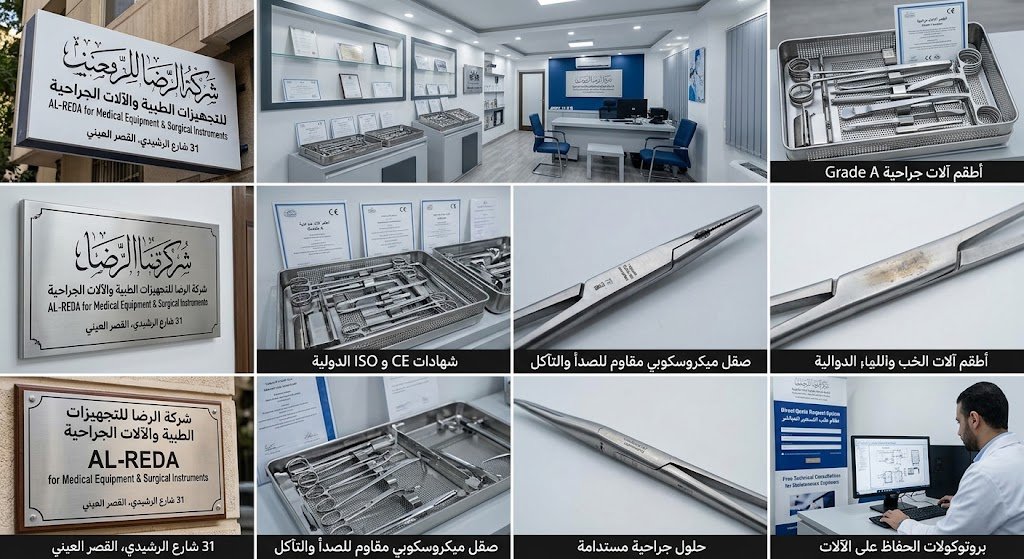
Operating from 31 El Rashidy St, Kasr El Aini, Cairo, Alreda Medical delivers surgical instrumentation portfolios manufactured from premium German and Sialkot forged Pakistan Grade A alloys compliant with rigorous CE and ISO medical regulatory frameworks. Optimize your healthcare facility outfitting workflows today by utilizing our advanced “Request a Quote” portal for compliant, rust-resistant surgical solutions.
For more information about surgical safety, see the World Health Organization’s Surgical Safety Checklist.